From Stereotypes to Stories: The Changing Face of Hollywood

Since the first motion picture in 1878 to the most recent films of 2026, American cinema has always been a reflection of the culture, tensions and evolving identity of the times. However, if we were to compare classic Hollywood with more modern films, one of the most apparent differences would be the level of diversity both on and off screen. Classic Hollywood often did a good job of presenting a narrow and idealized version of American life, while modern filmmaking has slowly expanded representation though not without its challenges.
In more classic films consisting of films from 1910’s-1960’s diversity was extremely limited and often distorted. The studio system was dominated by white male executives, directors and even writers which influenced what stories were told and who was really allowed to tell them. On-screen diversity of any racial and ethnic minorities was limited, and when they were on screen, they were often demonstrations of stereotypes. Black characters were often put in subservient roles and Asian and Indigenous characters were portrayed by white actors in yellow or red face.
Even with this exclusion, there were vital breakthroughs early on. Actors like Hattie McDaniel who became the first black performer to win an Academy award for Gone with the Wind (1939), showed that the talent and the barriers that existed. The win highlighted the contradiction of the era McDaniel was celebrated for a role that itself continued to reinforce racial stereotypes. So, there might have been visibility, but it lacked equity.

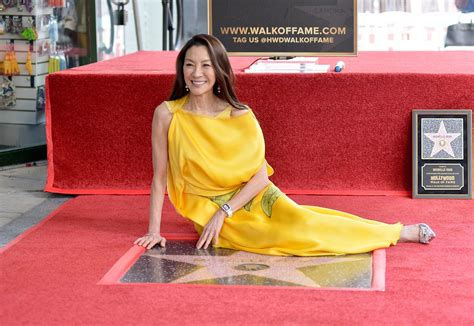
In the civil rights movement of the 1960s, representation slowly began to present itself. Hollywood was in a transition into the modern era, and the collapse of the studio system and the popular rise of independent filmmaking allowed for more diversity. People from marginalized groups began to have the ability to tell their own stories without being portrayed through Hollywood. Films in Modern America have seen significant milestones, from films like Do the Right Thing (1989) to Moonlight (2016) have been able to represent more of the Black experience in America while movies like Everything Everywhere All at Once (2022) made history with Michelle Yeoh becoming the first Asian woman to win Best Actress at the Academy awards.
These changes are not just in front the camera we are seeing more women, people of color, and LGBTQ+ creators being included in directing, writing, and producing their own major projects. Though the progress is amazing, it still shows to be uneven. It is very clear according to studies that getting funding, leading roles, and award recognition is still quite unequal. According to the UCLA Hollywood Diversity Report shows that though representation has improved inequities still exist in not only casting but also creative leadership roles.
As someone who loves film and adores seeing themselves and the people they love represented in films, I believe that movies have the power to shape how we see the world and when more people are given the opportunity to tell their story we as audiences benefit from richer, more authentic American representation and experiences. I cannot say that there is not a ton of work to be done to ensure equal opportunities both on and off screen I am hopeful that the future of American cinema will only grow to from more diverse and continue to embrace that in upcoming generations.
Sources
Hollywood Diversity Report – Social Sciences. (n.d.). https://socialsciences.ucla.edu/initiatives/hollywood-diversity-report/?utm_source=


Comments